Three IEE students, enrolled in the bachelor's program “Energy Management and Energy Efficient Technologies,” studied at the University of South-Eastern Norway (USN) during the fall semester of the 2025/2026 as participants in the Erasmus+ academic mobility project. Svitlana Vlasiuk, Andrii Romanov, and Kyrylo Cherniavskyi, second-year students at Igor Sikorsky Kyiv Polytechnic Institute, share their impressions of the educational process at USN, their experience of studying in English in a multicultural academic environment, and everyday life in Norway after returning to Ukraine.
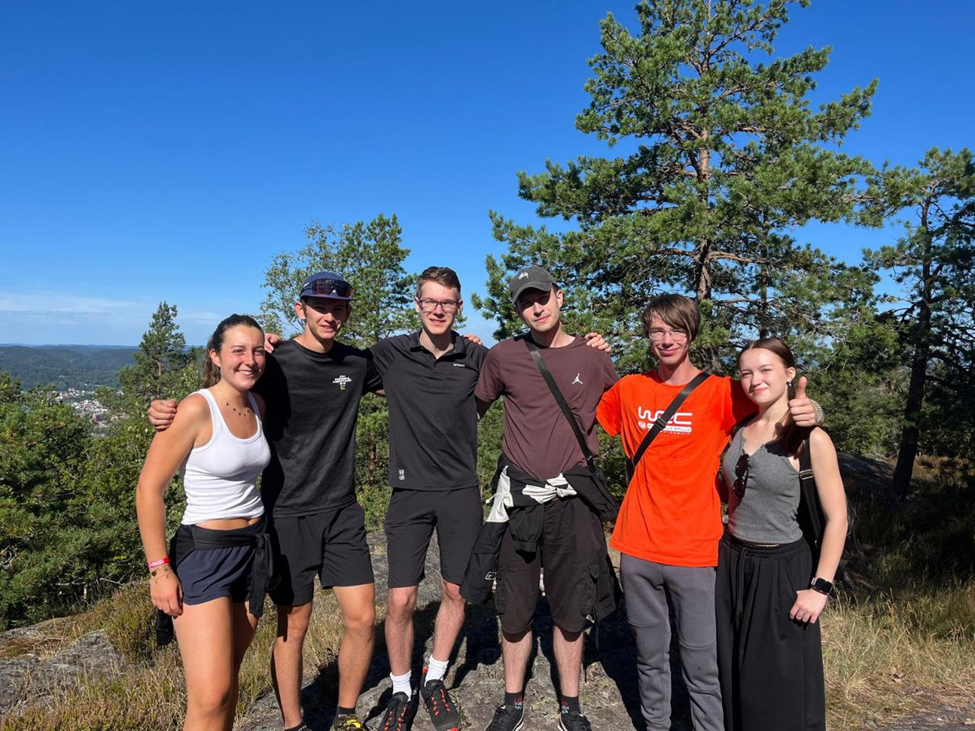
Kyrylo Cherniavskyi, group ГН-42
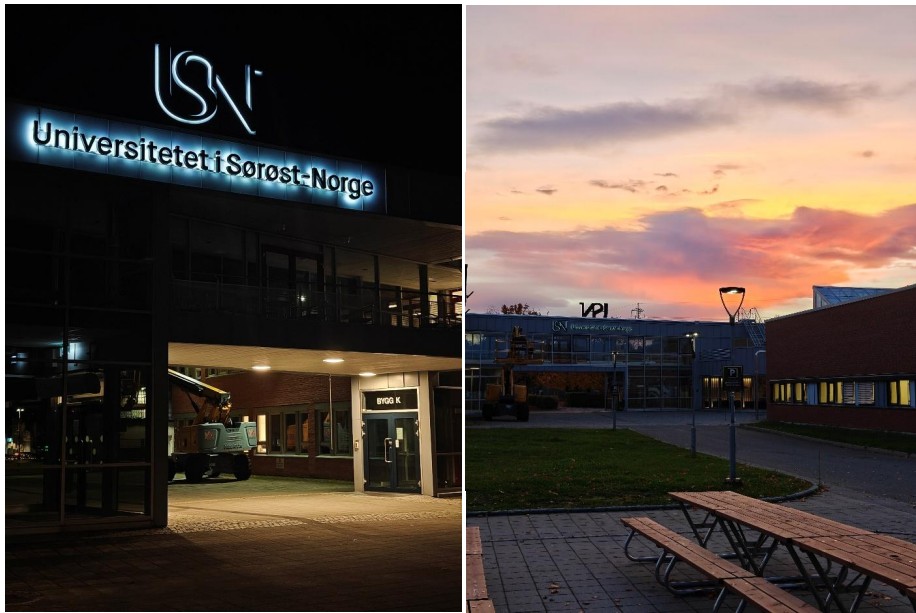
Norway attracted me with its unique combination of high living standards and incredible, rugged nature. The city of Porsgrunn turned out to be the perfect place to study: it is cosy and peaceful, but at the same time has all the necessary modern infrastructure. USN University impressed me with its technical equipment and modern campus, which looks futuristic and sets you up for productive work. The exchange programme itself was attractive because of the opportunity to combine studying at a European university with exploring Scandinavian culture and nature.
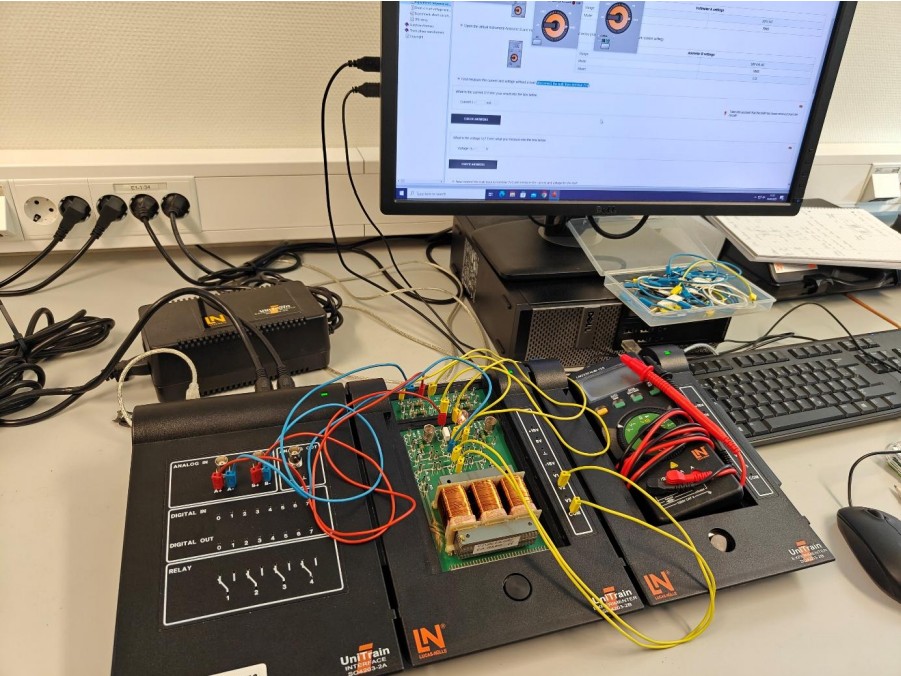
What I liked most was the practical approach to learning at USN, where theory is always backed up by real-life cases. I particularly remember the workshops and laboratory work on Electrical Machines, where we had access to modern equipment and were able to work in teams on real projects. Teachers encourage critical thinking and independent problem solving, which is radically different from the usual rote learning. I also liked the atmosphere of openness during lectures, where you can freely discuss and ask any questions.
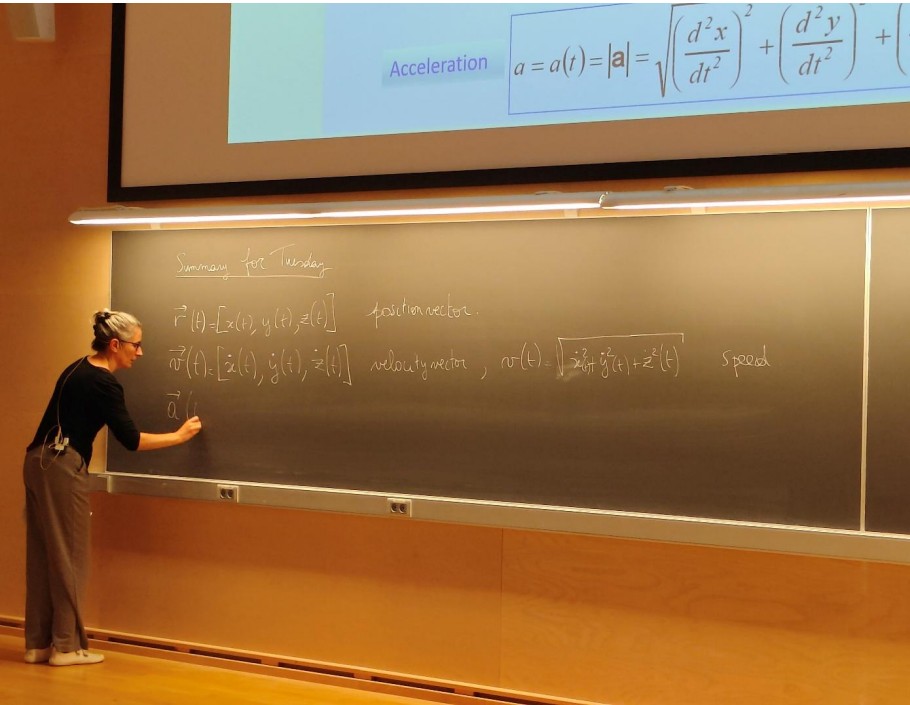
The biggest cultural surprise was the absence of a strict hierarchy between students and teachers. In Norway, it is perfectly normal to address a professor by their first name, which was unusual at first, but eventually helped to build trusting relationships. There were almost no communication difficulties, as the level of English among Norwegians (both at university and in everyday life) is extremely high. If any misunderstandings arose, they were quickly resolved thanks to the straightforwardness and politeness of the locals.
Undoubtedly, the most vivid impressions were the trips through Norwegian nature, organised both independently and together with other students. I strongly advise future participants not to stay in the dormitory, but to go hiking to the local peaks to see the fjords and the panorama of the city from above. Another must-do is a trip (if it is the autumn/winter semester) to places where you can see the Northern Lights — a magical sight that will stay with you for a lifetime. In addition, evening walks along the Porsgrunn waterfront allow you to feel the rhythm of local life.

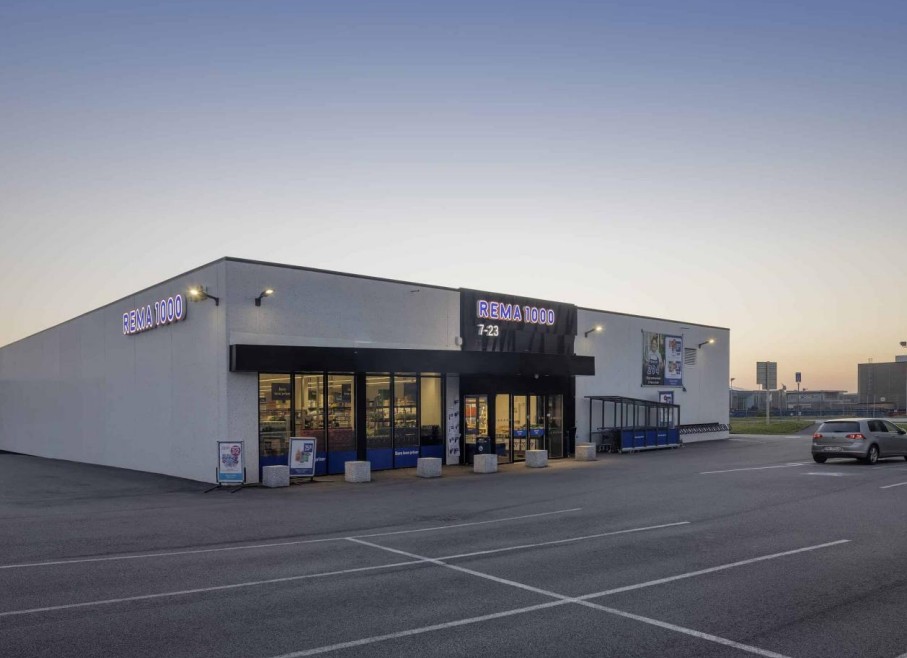
Be prepared for high prices: I recommend buying groceries at budget supermarkets (such as Kiwi or Rema 1000) and cooking at home. Secondly, invest in high-quality, warm and waterproof clothing, as the weather in Norway is changeable and there will be many outdoor activities. Thirdly, take advantage of student discounts on transport and events — this will significantly save your budget. And most importantly, don't be afraid to explore the surroundings on foot, because the best views here are absolutely free.

This mobility has been a powerful impetus for my personal development: I have become more independent, confident and adaptable to new conditions. From a professional point of view, studying at USN gave me access to European methodologies and broadened my understanding of my speciality through the prism of international experience. I also significantly improved my English language skills and gained valuable contacts with people from different parts of the world, which opens up new perspectives for my future career.

Svitlana Vlasiuk, group ГН-41
Academic mobility in Norway left me with very positive impressions and became an important part of my student life. Staying in this country gave me the opportunity not only to gain new educational experience, but also to fully immerse myself in the international student environment. The city of Porsgrunn turned out to be a comfortable place to live: quiet, safe and conveniently organised for students, which created favourable conditions for both study and leisure.
The teaching at the University of South-Eastern Norway was well structured and easy to understand. I attended lectures, practical and laboratory classes, completed assignments and prepared for exams. The lecturers were open to communication, explained the material in an accessible way and encouraged active student participation in the learning process. This approach helped me quickly adapt to the new format of learning and feel confident during classes.
Among the academic disciplines, I liked the courses Electrical Machines and High Voltage Technology the most. These subjects were interesting and useful because they combined theoretical material with practical classes. During my studies, I gained a better understanding of the principles of electrical machines and high-voltage systems, and I also had the opportunity to consolidate my knowledge in practice during laboratory work. The material was presented in a clear manner, and the lecturers explained complex topics in an accessible way with examples, which made it much easier to absorb the information.
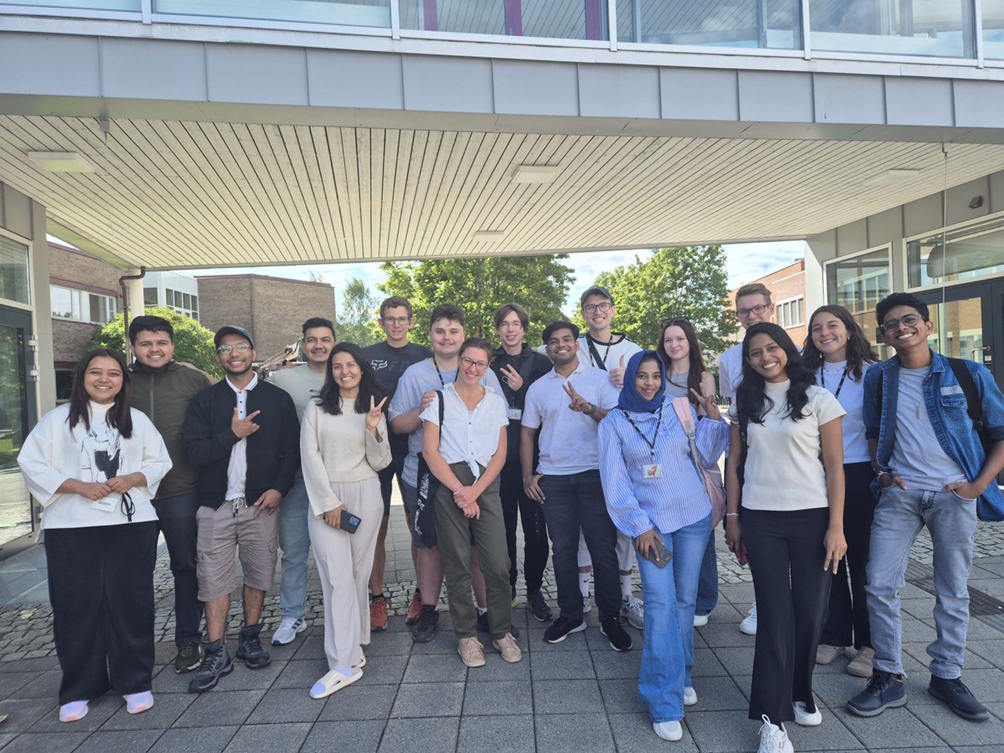
Student life in Norway left a very good impression. The living conditions were comfortable and well organised, which greatly facilitated my adaptation to the new country. Everyday issues did not cause any difficulties, so I was able to focus on studying and communicating. Thanks to constant contact with foreign students, I practised English every day, which significantly improved my language skills. In addition, I managed to find good friends from different countries, with whom we spent a lot of time together and keep in touch after the end of the programme.
In addition to studying, the university organised various events for international students. These included excursions related to our specialisation, during which we had the opportunity to see the practical application of knowledge and learn about the specifics of working in a professional environment. An important part of my stay in Norway was also trips to the mountains and nature, which gave me the opportunity to get to know the country better and experience the Norwegian way of life.
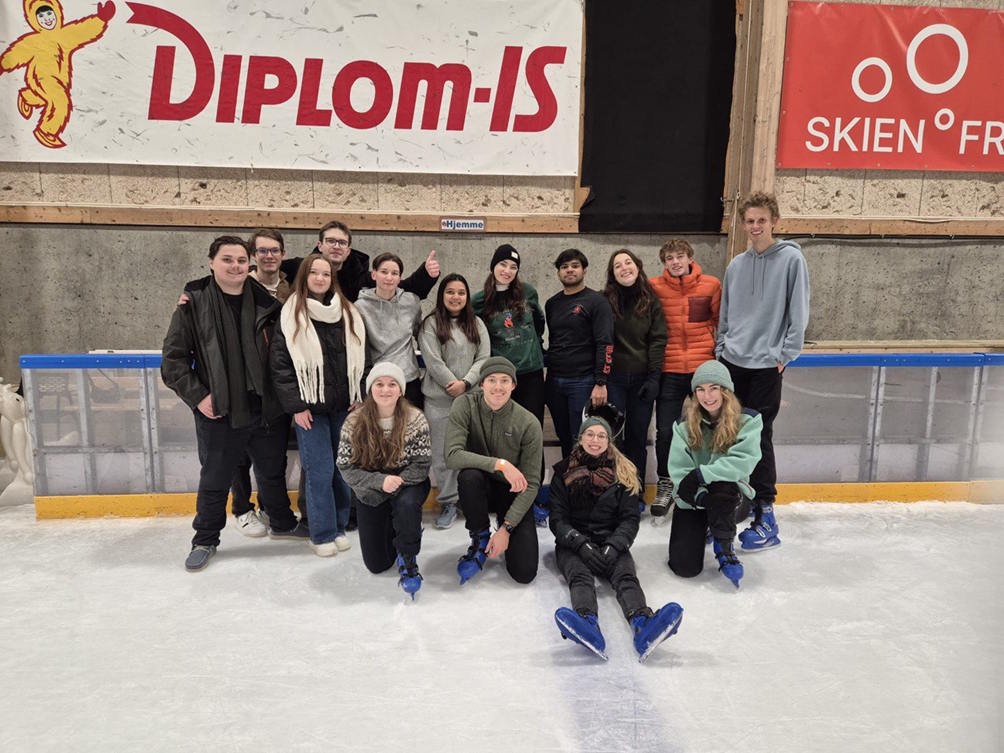
In addition, informal events for students, such as bowling, go-karting and other joint activities, were held regularly. Such meetings facilitated easy communication, exchange of experience and the establishment of friendly relations between students from different countries. It was thanks to such events that I felt part of the international student community.
Overall, participating in the academic mobility programme gave me not only a useful learning experience, but also important life skills. I became more independent, confident and open to new opportunities. My stay in Norway left me with only positive impressions and motivated me to continue my professional development and participate in international educational programmes.
I would like to give some advice to students who are planning to participate in academic mobility. First of all, it is important to be open to new experiences and not be afraid to step out of your comfort zone. It is important to actively participate in educational and extracurricular activities, as they help you adapt faster and make new friends. It is equally important to communicate with other students and teachers, take advantage of the opportunity to practise a foreign language, and make the most of all the opportunities offered by the academic mobility programme.
Andrii Romanov, group ГН-41
Academic mobility in Norway left me with unforgettable impressions and became an important stage in my professional development. My stay in this country impressed me with its incredible nature: the majestic mountains around, the proximity of the sea and the extremely clean air create a unique atmosphere. The city of Porsgrunn itself turned out to be very cosy, clean and comfortable to live in, with all the necessary infrastructure ‒ shops and a train station ‒ conveniently located. I would like to mention the USN university campus separately: it is a modern, newly renovated building with excellent conditions for students and advanced technical equipment, which created ideal conditions for studying.
The curriculum was very logically structured and proved to be extremely useful for my specialisation. Among the subjects, I liked the Electrical Machines course the most. This subject was memorable thanks to the interesting practical materials and the opportunity to work with real equipment. Laboratory work at USN is carried out on state-of-the-art equipment, which allowed me not only to learn the theory, but also to understand how to apply this knowledge in practice. This applied approach made learning exciting and effective.
Academic mobility had a huge impact on my life. I significantly improved my English language skills and made many friends from different countries, with whom I still communicate. Professionally, I realised that my specialisation is critically important for the world, and especially for our country. Seeing how highly valued and respected the profession of electrical engineer is in Norway, I became even more motivated to continue my development.
I would advise future participants not to be afraid of meeting new people and to actively participate in all events. As for everyday advice, I recommend renting bicycles instead of electric scooters, as well as being careful with your budget: buy inexpensive products and compare prices in supermarkets. This experience is definitely worth trying.